









FranklinCovey Blog | Leadership
Jennifer Colosimo Featured in Utah Business Magazine: Corporate Meetings and Retreats – “Getting Out of the Office Can Jump Start Your Employees”
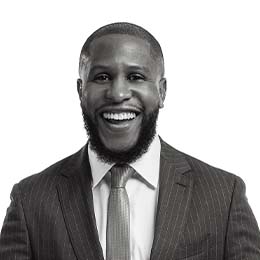
Jennifer Colosimo was recently interviewed by Utah Business Magazine for an article entitled “Getting Out of the Office Can Jump Start Your Employees.” In the article, Jennifer positions how to utilize corporate meetings and retreats to educate, unite and engage employees behind an organization’s corporate goals.
Engage Yourself
If you are personally disengaged, diagnose why. Think about yourself as a whole person—body, mind, heart, spirit.
- Body: Do I get results? Do I get them in a sustainable way? (e.g., I build trust with others, I am physically and mentally healthy, my personal life is not falling apart).
- Heart: Does my work tap into my talents and passions?
- Mind: Am I learning and able to use my intelligence and creativity in the majority of my working days?
- Spirit: Is there some larger sense of meaning in what I do? The meaning could be found in the impact of your product and service to your community/world or it could be found in how you achieve results and develop people or it could be a simple gut check that says, “This feels right.”
Based on your answers, you have choices. Is there anything you can take responsibility for to impact your engagement? Is there a need in the organization you could fill that could also re-engage you in your work? Before you polish your resume figuring it will be better somewhere else, be sure that you have done everything you can based on where you are on the engagement scale—if the problem lies with you, it will unfortunately follow you to your next employer!
My next blog: What leaders/managers can do to create the conditions for engagement.
To hear more, come see Jennifer at Training 2011. http://www.trainingconference.com/session_details.cfm
Why Leaders and Those Who Train Leaders Should Care About Engagement
Think of posing this question to your people: “How many of you think you possess far more talent, intelligence, capability, and creativity than your present job requires or even allows?” What if the majority answer, “yes?” Does it make a difference to your bottom line results?
It does. Engagement is a function of being a valued member of a team working toward an inspiring goal—tapping into many capabilities on a regular basis. And engaged employees are more productive employees. They work harder, more effectively overcoming barriers to success, and they stay.
Not only that, but work is such a huge part of life—learning who we are, how to get things done in a group; in fact, there is no greater opportunity to develop focus, patience, and empathy than at work—it is just better to have some sense of meaning. Of course, since it is work, there is no meaning without margin!
The problem: 2010 Gallup fund found the number of people self-reporting as actively disengaged went up 21% last year. Deloitte found the 30% were working the job market, ½ would consider leaving.
Three simple suggestions:
1. Fully engage yourself. To ignite the talent and passion of others, you must be fully engaged yourself.
2. Train/coach/evaluate leaders on ability to create conditions for engagement.
3. Teach individuals how to take responsibility for their own engagement and their careers.
My next blogs will focus on detail on these three suggestions!
To hear more, come see Jennifer at Training 2011. http://www.trainingconference.com/session_details.cfm
Leadership: The Why and How is as Important as the What
Article in Training Magazine Newsletter, by Jennifer Colosimo
http://www.trainingmag.com/article/leadership-why-and-how-important-what
Engage Yourself
On a recent episode of Glee, Sue Sylvester, the over-the-top mean cheerleading coach, couldn’t find anyone who measured up to her standards as a potential mate. When she logged onto an online dating site, the only match was . . herself. So she got engaged . . .to herself. A ridiculous wedding dress/track suit combo and a cameo by Carol Burnett as her mother ensued.
Silly? Why, of course.
And yet: Are you waiting for someone to engage you when you could just as well engage yourself? I’m talking about at work. Sure, leaders are responsible for creating the conditions for engagement: clear goals, opportunity to be a member of a high-performing team, communication, feedback, ongoing direction. And I’m not sure that that whole “crisis of engagement” we hear about (everything from the money lost because employees aren’t focused on the goals, to turnover, to the Jet Blue attendant taking the slide out of the plane) can be blamed entirely on leaders. To quote my grandmother: “Bored people are boring.” To quote my version: “Disengaged people are disengaging.”
People in formal leadership roles have a moral responsibility to create fertile ground for your seeds of engagement to soar. But you have the moral responsibility to plant the seeds.
Use the gifts of self-awareness, conscience, and independent will to ensure you are contributing meaningfully during all those hours you invest working. Stop waiting for Mr./Ms. Perfect boss . . .engage yourself!
Author: Jennifer Colosimo, Chief Operations Officer at FranklinCovey
Follow Jennifer on Twitter at: http://twitter.com/jencolosimo
www.jennifercolosimo.com
____ In a Crisis (you fill in the blank)

One of the great opportunities this downturn has created is the selling of how to do something in a crisis. I get many emails a week offering to educate me on how to do something I thought I knew how to do, but no apparently do not because we are in a crisis and everything is different. ‘How to lead in a crisis’, how to project manage in a crisis’, ‘how to sell in a crisis’, ‘how to buy a car in a crisis’, ‘how to make French onion soup in a crisis’ (well, that one wasn’t real). While everyone is on the bandwagon, they are with good cause. The crisis demands at times new actions for new challenges. However, at other times, what it demands is a recommitment to what has always worked, but was less understood in good times. This is the case with leadership.
Given that our job as leaders is ultimately to get results through our teams, and given that declining results are one of the big problems in this economy, then our problem to solve is results. And, given that we need to achieve results through people, our challenge is to help a group of people who are bombarded daily both in the workplace and the press with dour forecasts for the future, feel motivated, energized and engaged.
The good news is not only is it possible, it is probable if the leader does the right things. A crisis sets the stage for the leverage and changing of the most powerful force over behavior in an organization – culture. › Continue reading


