













FranklinCovey Books

The world’s most trusted leadership company.
Many of the most successful organizations, institutions, and governments use FranklinCovey courses and technology to achieve results that require collective behavior change. Often, the enterprise-level courses that enable greatness in these organizations begin as a book. The book is where the ideas, frameworks, and tools take shape, and the implementation is where they come to life.
These are not static ideas you will have difficulty applying to current situations—they are powerful, dynamic, and timeless.
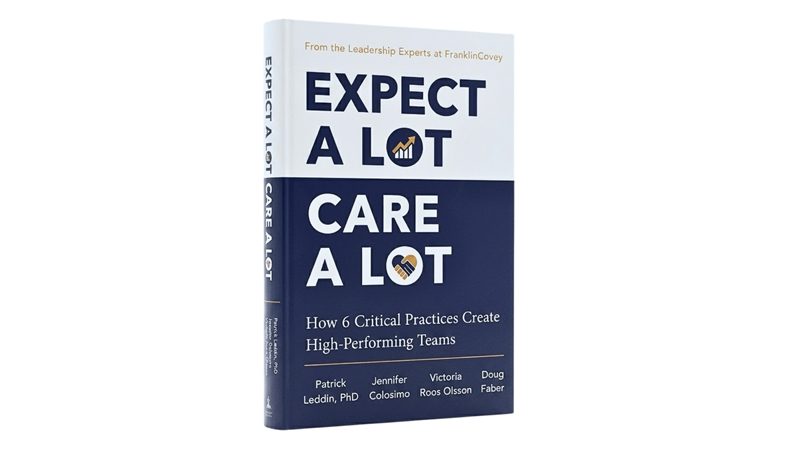
Expect a Lot, Care a Lot: How 6 Critical Practices Create High-Performing Teams
AI is changing how work gets done. Expectations keep rising. Change never slows down. Yet amid all the disruption, one truth remains: Organizations succeed or fall short based on the quality of their leaders. And the human side of leadership matters more than ever before.
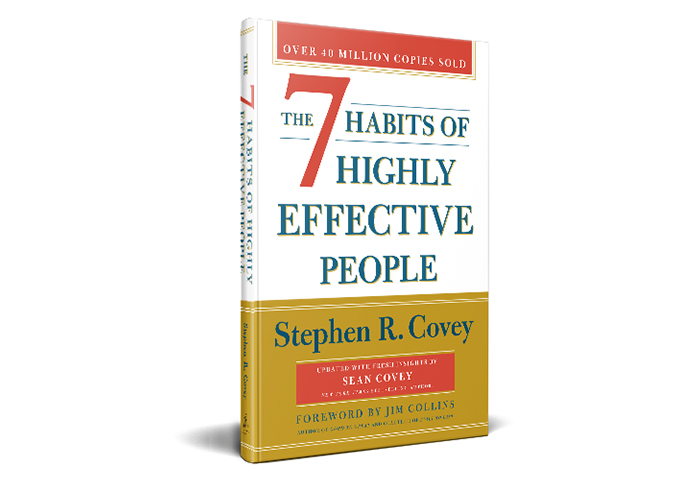
The 7 Habits of Highly Effective People
One of the most inspiring and impactful books ever written, The 7 Habits of Highly Effective People has captivated people for nearly three decades. It has transformed the lives of presidents and CEOs, educators, and parents—millions of people of all ages and occupations. Now, this 30th anniversary edition of the timeless classic commemorates the wisdom of The 7 Habits with modern additions from FranklinCovey’s President of Education, Sean Covey.

The 4 Disciplines of Execution: Achieving Your Wildly Important Goals
Used by more than 100,000 teams around the world in business, government, and education, The 4 Disciplines are forever changing how teams and organizations achieve their most important goals.
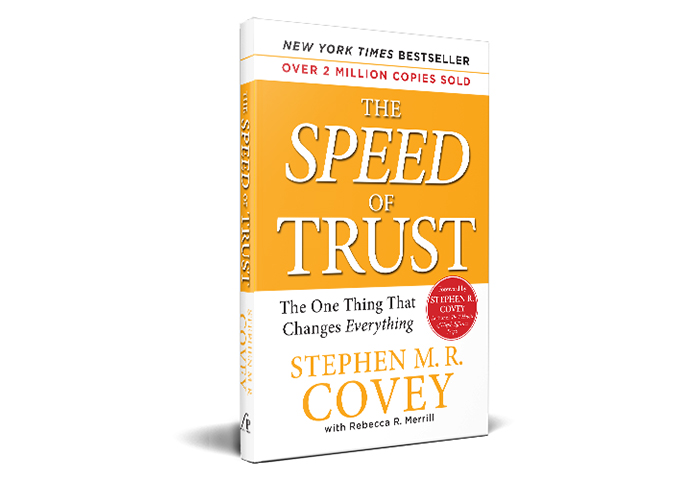
The Speed of Trust: The One Thing That Changes Everything
For business leaders and public figures in any arena, The Speed of Trust offers an unprecedented and eminently practical look at how trust functions in every transaction and relationship—from the most personal to the broadest, most indirect interaction—and how to establish trust immediately.
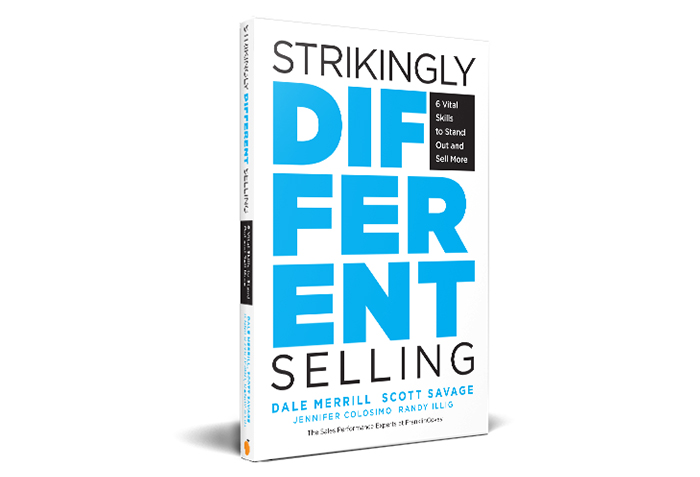
Strikingly Different Selling
Everyone thinks they’re different. No one wants to be average. Yet, to clients, salespeople often don’t stand out at all, leading to average win rates of a dismal 17% globally. Learn a simple formula and six vital skills to outperform your competitors and radically change your client interactions and results.
Book a FranklinCovey author for your next keynote event!
FranklinCovey’s speaker’s bureau is the event-planner’s one-stop-shop to find the most engaging and dynamic speakers for their events.